Called to Serve: How Faith Communities Are Sending Their Own to the Ballot Box
On a Tuesday evening in a church fellowship hall in Cleveland's Hough neighborhood, nine people sit in folding chairs arranged in a loose circle. They are not gathered for Bible study, though Scripture will be quoted before the night is done. They are not planning a food drive or a housing advocacy campaign, though several of them have done both. Tonight, they are learning how to run for city council.
The facilitator — a deacon and former precinct captain — walks them through the mechanics of petition gathering, campaign finance disclosure, and ward boundary maps. But she opens the session with a question drawn from the prophet Jeremiah: What does it mean to seek the welfare of the city? It is not a rhetorical flourish. It is the theological anchor around which everything else is organized.
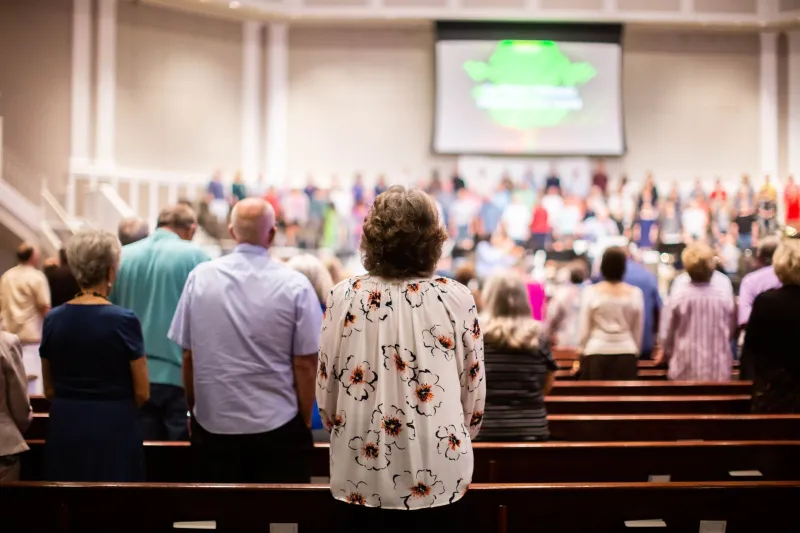
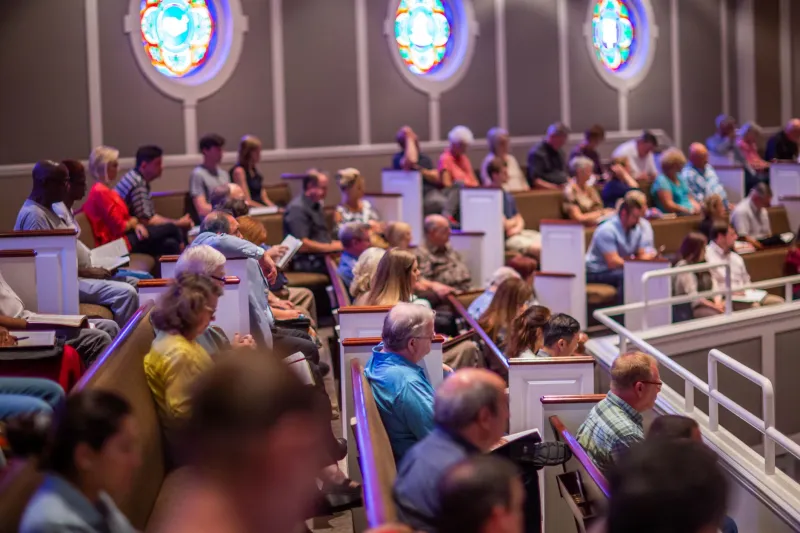
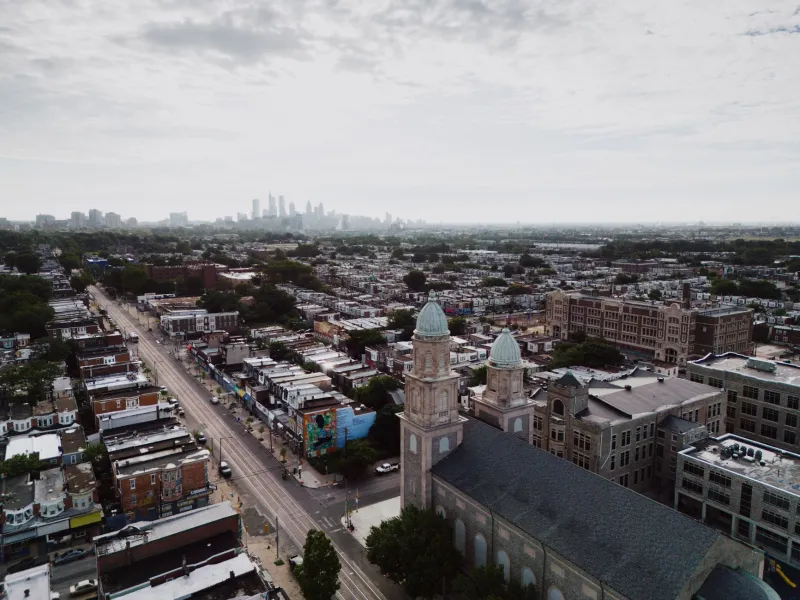
This scene, or some version of it, is repeating itself in congregations from Philadelphia to Houston, from Detroit to Atlanta. Urban churches — long accustomed to advocating from the outside — are increasingly deciding that the most faithful response to broken local governance is to put their own people inside it.
From Advocacy to Candidacy
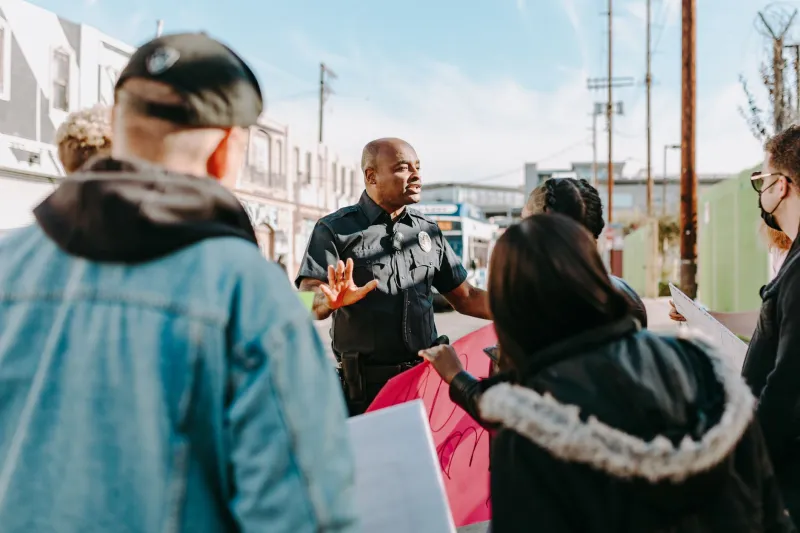
For decades, the dominant model of faith-based civic engagement has centered on what scholars call "outside game" strategies: lobbying, public testimony, coalition building, and prophetic protest. These remain vital tools, and many urban congregations have deployed them with considerable effect. But a growing number of church leaders argue that these approaches, however necessary, leave something essential on the table.
"We can show up at city hall every week and still go home to the same broken school board making the same destructive decisions," says one pastor at a predominantly Black Baptist congregation in Memphis. "At some point, faithfulness demands that we stop standing at the door and start walking through it."
That conviction has given rise to structured candidate development programs within congregations themselves. These are not simple endorsement mechanisms, where a church blesses a favored politician and mobilizes its membership on election day. They are longer, more deliberate processes — sometimes spanning a year or more — that blend spiritual discernment with practical political education.
Discernment as Discipline
What distinguishes these programs from secular candidate training schools is the explicit theological language in which they are framed. Many congregations draw on the Reformed concept of vocation — the idea that God calls individuals to particular stations of service in the world — to articulate why running for city council or a local school board is not a departure from Christian discipleship but an expression of it.
At a multiethnic evangelical church in Chicago's Pilsen neighborhood, prospective candidates undergo a discernment process modeled loosely on the language used to affirm pastoral calls. Members who feel drawn toward public office are invited to share that sense of calling with their small group, their pastor, and ultimately the broader congregation. The community prays, reflects, and offers what the church describes as "corporate discernment" — a collective attempt to confirm or redirect the individual's sense of calling.
"We believe the Holy Spirit speaks through community," explains one of the church's lay elders. "If someone wants to run for school board but no one around them sees the gifts that role requires, that's important information. And if everyone around them sees it before they do, that's important information too."
This discernment process is paired with rigorous practical preparation. Participants attend sessions on municipal budget cycles, zoning law, public records requests, and the mechanics of running a low-budget local campaign. Guest speakers have included city planners, sitting council members, campaign treasurers, and civil rights attorneys.
The School Board as Sacred Ground
If there is one arena where faith communities have focused their candidate development energies with particular intensity, it is the local school board. Urban education — underfunded, politically contested, and profoundly consequential for low-income families — has become a focal point for congregations that understand educational justice as a theological imperative.
In Philadelphia, a coalition of African American congregations affiliated with a citywide ministerial alliance has helped place three of its members on the school board in the past six years. The effort began not with a political calculation but with a community grief: the closure of a neighborhood school that had served families in their congregations for generations.
"We mourned that school like a death in the family," recalls one of the pastors involved. "And then we asked ourselves: who made that decision, and why weren't we in the room?"
The answer — that the relevant seats had gone uncontested for years, with low turnout and minimal community awareness — became the organizing insight. The coalition began identifying members with teaching backgrounds, nonprofit leadership experience, or deep roots in the affected neighborhoods, and investing in their readiness to run.
Navigating the Legal and Theological Tensions
The movement is not without its complications. Churches that operate as 501(c)(3) nonprofit organizations are legally prohibited from endorsing candidates for public office, a restriction that creates real friction for congregations that wish to support their own members openly. Many navigate this by drawing a careful distinction between the church as an institution — which refrains from formal endorsement — and the congregation as a community of individuals who are free to support candidates as private citizens.
Others are more direct about their discomfort with that distinction. Some pastors argue that the prohibition on endorsement, while legally binding, represents an artificial boundary between faith and civic life that the Church should work to challenge through democratic means rather than simply accept.
The theological tensions are equally real. Some within these congregations worry about the corrupting pressures of electoral politics — the compromises, the fundraising dependencies, the adversarial dynamics — and whether candidates formed in communities of grace can sustain their integrity once inside institutions built on leverage and transaction.
Those concerns are taken seriously by the most thoughtful practitioners of this work. "We tell people going in: the city council chamber is not the sanctuary," says the Cleveland deacon who leads the candidate training sessions. "You will be asked to do things that feel uncomfortable. The question is whether your formation runs deep enough to hold you when that happens."
A Theology of Presence
Underlying all of these efforts is a conviction that has deep roots in the urban church tradition: that faithful witness requires physical, institutional presence in the spaces where power is exercised. Proximity to suffering has long been understood as a spiritual discipline. These congregations are extending that logic into the domain of governance, arguing that proximity to power — not as a pursuit of privilege but as a form of accountability — is equally demanded by the Gospel.
The movement is still young, and its outcomes are uneven. Not every candidate trained in a church fellowship hall wins. Not every winner governs in ways that reflect the values of the community that formed them. But the congregations driving this work are not measuring success solely by election results.
They are measuring it by whether the next generation of urban Christians understands public office as a possible answer to the question every serious disciple eventually confronts: Where, precisely, is God calling me to spend my life?
For a growing number of city believers, the answer is arriving in the form of a candidate filing deadline.